A kingdom with a royal family and a democratic system
Tourism and textiles are the largest industries
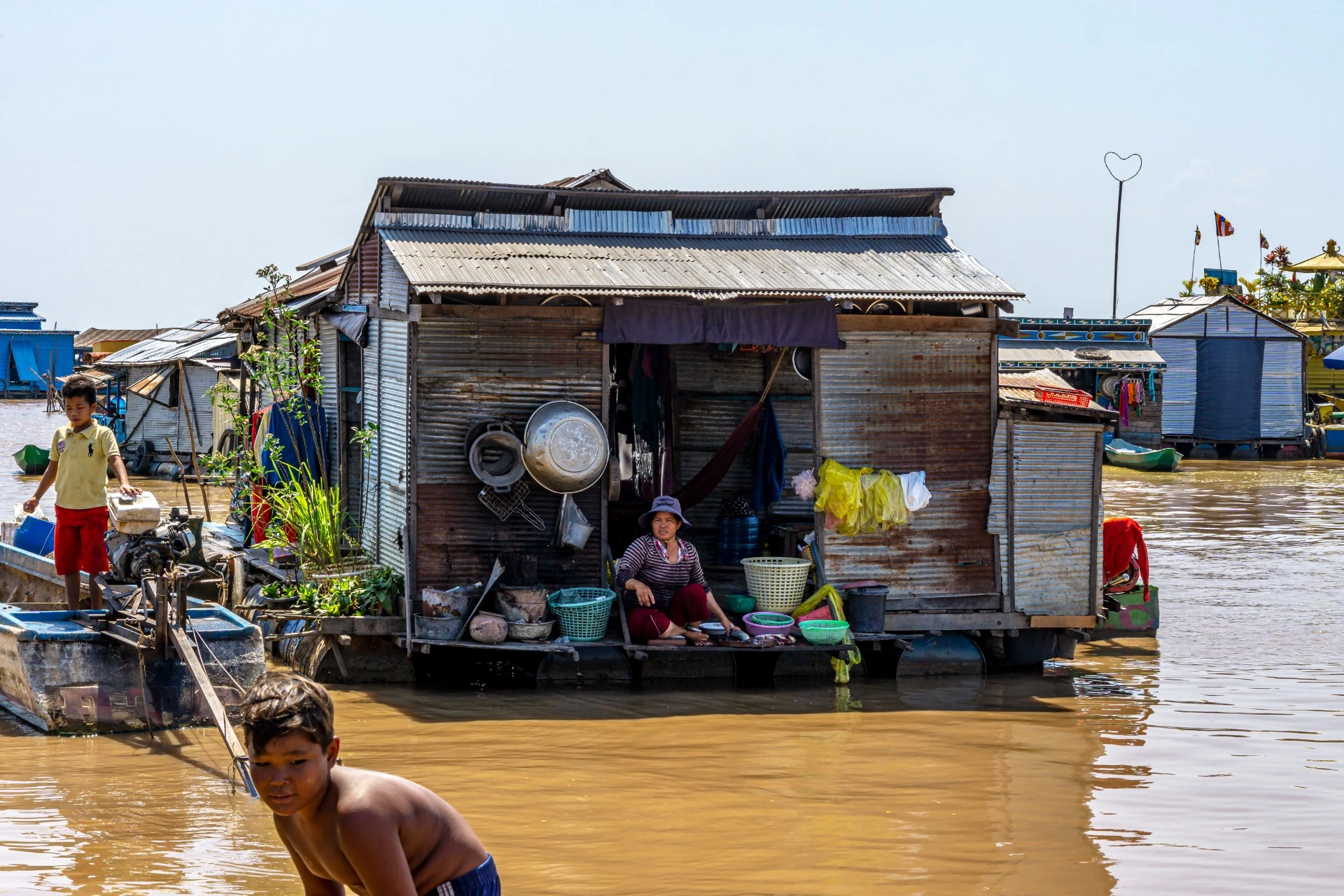
Cambodia is a poor country, but it is undergoing economic growth
Carlsberg, DSV, NOVO, Maersk, and Grundfos are present in Cambodia
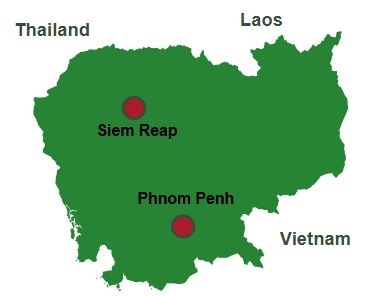
BAMBOOS NGO focuses on Cambodia, a Southeast Asian country bordering Thailand, Vietnam, and Laos. Cambodia is a vibrant monarchy with a rich cultural heritage, deep Buddhist traditions, and warm friendly people.
Despite 22% of Cambodians living below the UN poverty line and 32% of children being undernourished, Cambodia is now ready and willing to invest in its youth and education to create better opportunities for the younger generation. This provides a remarkable chance to make a significant impact right.
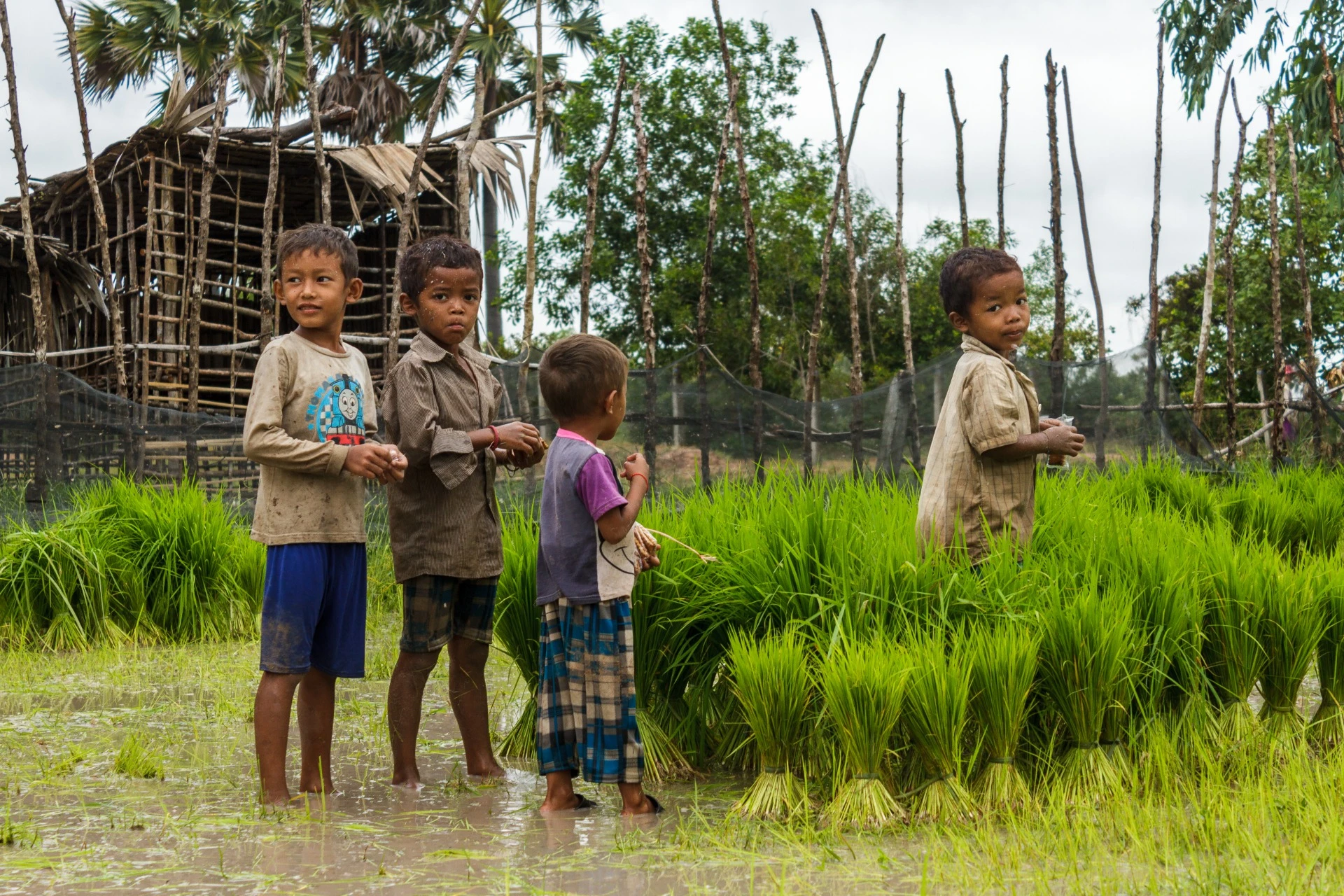
Today, nearly a third of the Cambodian population is under the age of 14, and many lack basic educational resources and a stable path forward. While most start primary school (grade 1 to 6), only 73% complete it, and even fever start in secondary school. On average, a child in Cambodia attends school for 5 years and many are forced into child labor at an early age.
Things you may not know about Cambodia:
Voted as having the warmest and friendliest population in the world
Only 4% of Cambodian children own more than two children’s books
Poor families of four survive on just DKK 700 per month
Rice for a family of four costs DKK 350 per month
Speaking English can double or triple your income
Tourism has dropped by 70% since COVID
It costs less than DKK 1.000 a year to educate a child
The facts figures were last updated in May 2025. All figures from UNICEF, the Danish Foreign Ministry, the World Bank and the UN.
Nevertheless, Cambodia remains a safe and stable country, and several prominent Danish companies, including Carlsberg, DSV, Novo, Pandora, Maersk, and Grundfos, are already present. Though the country’s GDP remains low, and fast-food chains like McDonald’s are absent, these conditions highlight the opportunity for meaningful interventions.
BAMBOOS aims to address these challenges and empower Cambodia’s next generation by providing them with the resources and opportunities they need to create a viable path ahead, contributing to a stronger, more self-sufficient society.